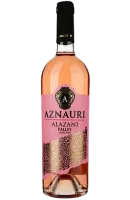
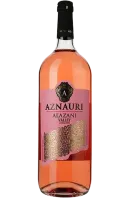
Rosé wine is made from red grape varieties, so its color always falls somewhere between white and full-bodied red. There are many styles in this category: some producers make dry, almost transparent versions, while others produce richer and sweeter ones. Because of this, choosing the right bottle isn’t always easy if you don’t understand the differences between grape varieties, regions, and sweetness levels. Let’s explore what rosé wine is, which grape varieties are used to make it, and how to choose a bottle and store it properly.
What is rosé wine?
Rosé wine, often called “rosé” or “rose,” is made from red grape varieties through brief contact between the juice and the grape skins—literally just a few hours instead of the weeks required for red wine. It is the duration of this contact that determines the hue of the finished wine: from a pale salmon color to a rich raspberry hue. In terms of flavor profile, this wine combines the lightness of white wine with the fresh berry notes characteristic of red varieties, making it suitable for both everyday meals and festive occasions.
Types of rosé wine by sweetness level
Rosé is divided into several categories depending on the amount of residual sugar, and each type offers its own balance of flavors. Dry rosé contains minimal sugar, so the acidity and minerality come through most distinctly—this is the style most commonly produced by winemakers in Provence. Semi-dry versions are slightly softer, while retaining the freshness of the wine’s core profile. Semi-sweet rosé takes sweetness even further: the fruit character of the grape variety comes to the forefront, and the wine itself becomes more rounded.
Main grape varieties for rosé wine production
Virtually any red grape variety can be turned into rosé, but certain varieties are particularly well-suited to this style. Grenache produces juicy, aromatic rosés with notes of strawberry and peach, which form the basis of classic Provençal blends. Syrah produces a slightly richer rosé with a hint of spice and a deeper color. Sangiovese, common in Italy, yields wines with pronounced acidity and notes of red berries that stay refreshing even during the warmer months.
Rosé wine-producing regions
Provence in southern France is considered the birthplace of the modern rosé style: the dry Mediterranean climate and stony soils produce wines with a pale color and refined minerality, and local producers strictly control maceration time to preserve this very lightness. The Italian region of Apulia specializes in richer versions made from local varieties such as Negroamaro, where the wine turns out denser, more aromatic, and with a more pronounced body due to the warmer climate. In Ukraine, the indigenous Odessa Black variety, common in the Odessa region, is also often used to produce light, semi-dry rosés with a characteristic berry freshness.
How to choose a high-quality rosé wine?
A few practical guidelines can help you choose the right bottle:
- the wine’s color—a paler shade usually indicates shorter skin contact and a lighter taste;
- the region of origin and grape variety—these determine the basic character of the flavor and the level of acidity;
- vintage — rosé is best enjoyed young, within one to two years of production;
- the reputation of the producer and brand — ensures consistent quality from batch to batch.
Once these guidelines are established, all that remains is to check the conditions under which the bottle is delivered to the table.
What to pair rosé wine with?
The gastronomic appeal of rosé lies in its versatility: its moderate acidity and light berry sweetness pair well with both light appetizers and heartier dishes. Dry rosés shine when paired with seafood, light salads, and Mediterranean cuisine, highlighting the wine’s freshness and minerality. Semi-sweet varieties pair well with cold cuts, pizza, and spicy Asian dishes, where the wine’s fruity profile balances the spiciness, and its light sweetness softens the heat of the spices.
Tips for storing and serving rosé wine
It’s best to store a bottle of rosé horizontally, away from direct sunlight and heat sources. The optimal storage temperature ranges from +10 to +14 °C. To serve, chill the wine to +8 to +10 °C—this is the temperature at which its fresh berry and floral notes truly come to life. Once opened, the bottle should be stored in the refrigerator with the cork in place for no longer than two to three days.
The selection of rosé wines at the Benket online store in Odesa includes both dry and semi-sweet varieties from trusted producers in various countries. Compare prices, choose a brand to your liking, and order a bottle of rosé for delivery in Odesa and throughout Ukraine—you can buy high-quality wine today.
FAQ
What is rosé wine, and how is it classified by sweetness level?
Rosé wine is made from red grape varieties through brief contact between the juice and the skins. Based on sweetness level, it is classified as dry, semi-dry, and semi-sweet—each variant offers its own balance of acidity and fruitiness.
Which grape varieties are best suited for rosé production, and which regions are considered leaders in this field?
Grenache, Syrah, and Sangiovese are most commonly used for rosé. Provence in France is considered the birthplace of the modern style, while Apulia in Italy specializes in full-bodied versions.
What should you look for when choosing a high-quality rosé, and what dishes does it pair best with?
Focus on the wine’s color, region of origin, and vintage, as rosé is best enjoyed young. Dry rosés pair well with seafood and light salads, while semi-sweet rosés pair well with cold cuts and spicy Asian dishes.
How should you store and serve rosé wine to bring out its full flavor profile?
The bottle should be stored horizontally at a temperature of +10...+14 °C, away from direct sunlight. Rosé should be served chilled to +8...+10 °C, and once opened, it should be stored in the refrigerator under the cork for no longer than two to three days.