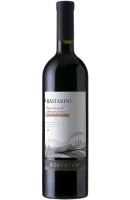
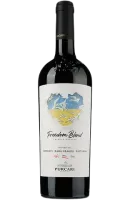
Moldova produces wine on an area of just over 140,000 hectares—one of the highest figures in Europe. The country’s climate—mild winters and hot summers without drastic temperature swings—allows for the simultaneous cultivation of indigenous varieties, such as Feteasca Neagră, and international varieties, such as Cabernet Sauvignon. As a result, you can find both light, young Moldovan wines and aged blends on store shelves.
History and traditions of moldovan winemaking
Grapevines have been cultivated in Moldova since before the Common Era, and industrial winemaking took shape with the emergence of large underground cellars, such as Cricovo and Milesti-Mici—which are still used for aging today. During the Soviet era, the republic was a key supplier of wine to the country, and after gaining independence, local producers shifted their focus to European standards and began promoting their brands on global markets, combining classic techniques with modern blends.
Moldova’s main grape varieties
The country’s temperate continental climate, with warm summers and mild winters, allows for the cultivation of several groups of grape varieties, each of which contributes its own distinct character to the wine.
- Fetiasca Alba—an indigenous white variety with a delicate floral aroma and moderate acidity.
- Fetiasca Negre—a red variety with berry notes, producing light- to medium-bodied wines.
- Rare Nyagre — a rare local variety that produces wines with soft tannins and a spicy finish.
- Cabernet Sauvignon and Merlot — international varieties that have adapted well to local soils and form the basis of powerful, aged blends.
In addition to those listed, producers are increasingly experimenting with Sauvignon Blanc and Pinot Noir, expanding their range with varieties familiar to European consumers.
Types of moldovan wines: red, white, and rosé
Each color of Moldovan wine has its own production method. White wine is made without the must coming into contact with the grape skins, which is why it retains its freshness and light acidity—this type of wine pairs well with fish and vegetable dishes.
Red wine undergoes prolonged maceration on the skins, which gives it its dense structure and pronounced tannins; it is precisely this type of wine that is most often aged in oak barrels for years. Rosé wine is made from red grape varieties with brief contact between the juice and the skins, so it combines the lightness of white wine with the berry notes of red wine.
Features of the production and aging of moldovan wines
Stable temperature and humidity throughout the year allow wine to be aged without artificial cooling. It is precisely thanks to these natural storage conditions that Moldovan wineries can store collectible bottles for decades without any loss of quality. Aging in oak barrels imparts notes of vanilla, smoke, and dried fruit to the wine, and producers determine the duration of this stage based on the grape variety and the desired flavor profile. For lighter varieties, the aging period is shortened to preserve freshness, whereas full-bodied red blends can be aged in barrels for several years.
|
Wine Name
|
Type
|
Grape Variety
|
Alcohol Content
|
Volume
|
|
Purcari Negru de Purcari
|
Dry, red
|
Cabernet Sauvignon, Saperavi, Rare Negre
|
14%
|
0.75 L
|
|
Purcari Alb de Purcari
|
Dry, white
|
Sauvignon Blanc, Riesling
|
14%
|
0.75 L
|
|
Bostavan DOR Merlot and Saperavi
|
Dry, Rosé
|
Merlot, Saperavi
|
13%
|
0.75 L
|
Recommendations for pairing moldovan wines with food
Before buying Moldovan wine, it’s a good idea to decide on the dish you plan to serve it with. A light white wine pairs well with seafood, mild cheeses, and vegetable appetizers, as it doesn’t overpower the delicate flavors of the dish. Rosé wines pair well with poultry and summer salads, while classic dry wine remains a versatile choice for most culinary pairings. Those who prefer a milder flavor without pronounced tartness should consider semi-sweet wine—it pairs well with desserts and fruit platters.
The selection of Moldovan wines at the Benket online store in Odessa includes both classic indigenous varieties and international blends from trusted producers. Compare prices, choose a bottle to your taste, and order Moldovan wine for delivery in Odessa and throughout Ukraine today.
FAQ
What are the key historical milestones and traditions that have shaped modern Moldovan winemaking?
Viticulture has existed in this region since the Neolithic era, and industrial production began to develop in the 19th century thanks to the construction of large cellars for aging. The underground tunnels of Cricova and Milesti-Mici have become symbols of local tradition and are still used today to store collectible wines.
Which grape varieties and types of wine are most characteristic of Moldova?
Among the indigenous varieties, Fetească Albă, Fetească Neagră, and Rare Neagră stand out, and Cabernet Sauvignon and Merlot are also actively cultivated alongside them. Producers offer all the main wine colors—white, red, and rosé—each with its own distinct flavor profile.
What are the distinctive features of production and aging techniques at Moldovan wineries?
Natural underground cellars maintain a stable temperature and humidity year-round, allowing wines to be aged without additional cooling. Aging in oak barrels imparts complex notes of vanilla and dried fruit, and the duration of this process depends on the grape variety and the desired flavor profile of the wine.
How can you navigate the world of popular Moldovan wines, and what dishes should you pair them with?
Light white wines pair well with seafood and vegetable appetizers, while full-bodied reds are best enjoyed with meat dishes and hard cheeses. Rosé wines pair well with poultry and summer salads, and when choosing a specific bottle, it’s important to consider the grape variety and level of sweetness.