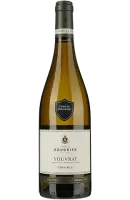
France sets the standard against which winemaking is measured virtually worldwide: it was here that the classic system of regions, grape varieties, and quality categories took shape, a system that was later adopted by producers in other countries. Viticulture in this region dates back to the time of ancient Roman colonization, and the modern AOC system of origin control has served as a model for legislation in Italy, Spain, and other countries. At the same time, French wine is not a single style, but rather dozens of regional schools, each with its own traditions, climate, and favorite grape varieties: the Atlantic coast of Bordeaux and the Mediterranean region of Provence produce wines that are hard to confuse with one another.
France’s major wine-producing regions
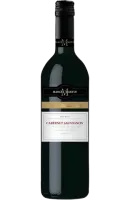
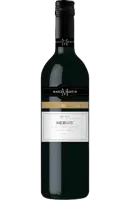
Bordeaux, in the southwest of the country, is known for its red blends based on Cabernet Sauvignon and Merlot—full-bodied, tannic wines designed for long-term aging. Burgundy, on the other hand, focuses on single-varietal wines: Pinot Noir for reds and Chardonnay for whites, with an emphasis on specific terroirs rather than blending varieties. Champagne in the northeast specializes exclusively in sparkling wines produced using the traditional method.
The Loire Valley stretches along the river of the same name and produces a wide variety of wines—from dry whites such as Vouvray made from the Chenin Blanc grape to light rosés such as Rosé d’Anjou. Provence on the southern coast, in turn, is considered the birthplace of dry rosé wine: here, it is not a byproduct of red wine production, but a distinct and most popular style of the region.
Popular grape varieties in France
Each region cultivates varieties that are best suited to the local climate, so the same variety can produce very different results depending on where it is grown. Cabernet Sauvignon and Merlot form the basis of Bordeaux blends, Pinot Noir and Chardonnay—Burgundy single-varietal wines, and Chenin Blanc from the Loire Valley produces wines ranging from dry to semi-sweet depending on the winery.
Classification of french wines
On a French wine label, the classification often takes up more space than the producer’s name—and this is no coincidence. It is the classification that determines how strictly the origin of the grapes is controlled and what rules were followed in making the wine.
- AOC/AOP — the strictest framework: a specific plot of land, permitted grape varieties, and a maximum yield per hectare. Wines from Bordeaux or the Loire are primarily sold under this category.
- VDQS—a sort of transitional stage between AOC and the rest: the region is already designated, but the requirements are slightly less strict. In practice, this category is hardly used anymore—wineries either move up to AOC or downgrade to IGP.
- IGP — the boundaries are broader, roughly covering an entire region or even several departments, and the producer chooses the grape varieties themselves.
- Vin de France — no geographical designation: the grapes can come from any part of the country, and the label indicates only the variety and vintage.
The difference between the categories is evident in both price and the predictability of the taste: the stricter the AOC guidelines, the fewer surprises you’ll find in your glass.
How to choose french wine: tips for buyers
Before buying French wine, it’s worth deciding on the dish and your preferred level of sweetness: a full-bodied Bordeaux red pairs well with meat and aged cheeses, while a rosé from Provence is suitable for light summer dishes and aperitifs. The category on the label (AOC, IGP) indicates the level of quality control, and the alcohol content suggests the approximate ripeness of the grapes at harvest. White and rosé wines should be served chilled to 8–10 °C, while reds should be served slightly warmer, around 16–18 °C, with the bottle stored horizontally away from light.
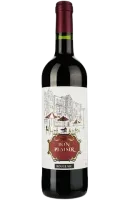
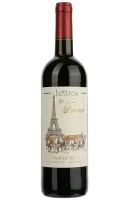
The selection of French wines at the Benket online store in Odesa includes white, red, and rosé wines from producers such as Maison Bouey, Famille Bougrier, and Marcel Martin. Compare prices, factor in shipping costs, choose a brand to your liking, and order wine for delivery in Odesa and throughout Ukraine.
FAQ
What are the main wine-producing regions of France worth knowing about, and what makes them unique?
Bordeaux is known for its tannic blends of Cabernet Sauvignon and Merlot, Burgundy for its single-varietal wines of Pinot Noir and Chardonnay, and Champagne specializes exclusively in sparkling wines. The Loire Valley produces a wide variety of styles, and Provence is considered the birthplace of dry rosé wine.
Which grape varieties are the most popular in France, and how do they determine a wine’s style?
Cabernet Sauvignon and Merlot form the basis of Bordeaux blends, Pinot Noir and Chardonnay are the foundation of Burgundy single-varietal wines, and Chenin Blanc from the Loire Valley produces wines ranging from dry to semi-sweet, depending on the winery.
How can you make sense of the French wine classification system, and what does it mean for the average consumer?
AOC/AOP guarantees the strictest controls over origin and production methods, IGP gives producers more freedom in choosing grape varieties, and Vin de France is the basic category with no regional ties. The category listed on the label immediately indicates the level of quality control.
What tips should you follow when choosing a French wine to find a high-quality product that suits your tastes?
You should base your choice on the dish and your preferred level of sweetness: full-bodied reds from Bordeaux pair well with meat, while rosés from Provence go well with light summer dishes. Serve white and rosé wines chilled, and reds slightly warmer, storing the bottle horizontally.