Ukrainian winemaking has evolved from backyard vineyards to industrial wineries with their own production lines. Grapes are grown in several climatic zones, from the Black Sea coast to the foothills of the Carpathians, so the taste of the wine varies significantly depending on the region. Next, we’ll take a look at the main wine-growing regions, popular grape varieties, and tips on how to choose a Ukrainian wine for a specific occasion.
Wine-producing regions of Ukraine
Each region has its own microclimate and winemaking tradition, so the taste of the wine depends significantly on where the vines were grown.
Odesa region
The Odesa Region is the country’s main wine-producing region: the warm Black Sea coast and sandy soils create conditions similar to those of the Mediterranean. Most of the country’s industrial winemaking is concentrated here, and local brands, notably Shabo, cultivate both international varieties—such as Cabernet Sauvignon and Chardonnay—and adapted Georgian varieties—such as Rkatsiteli and Saperavi.
Transcarpathia
The mountainous climate and the influence of Hungarian winemaking traditions have shaped a distinct viticultural culture here that has existed for several centuries. Terrace vineyards on the slopes of the Carpathians yield smaller harvests, but the grapes develop pronounced acidity due to the cool nights.
Kyiv region
In the Kyiv Region, viticulture remains largely a niche activity: the climate requires cold-hardy varieties and careful tending of the vines in winter. These vineyards are small in size, so the wine rarely leaves the region.
Popular ukrainian wine varieties
Among the grape varieties that have adapted best to Ukrainian conditions are two—both native to Georgia but long cultivated in Ukraine as well.
- Rkatsiteli is a white variety with high acidity that maintains balance even in hot years. It produces dry wines with notes of green apple and herbs.
- Saperavi is a red variety with a deep, dark color and high tannin content: its name means “paint” in Georgian—even its juice remains dark. It produces full-bodied, aged wines.
Alongside these varieties, producers offer wines made from Chardonnay, Merlot, Pinot Gris, Cabernet Sauvignon, and Golubok.
Features of ukrainian winemaking
Ukrainian winemaking combines the legacy of the Eastern European school with the approaches of its Georgian and Moldovan neighbors: international varieties—such as Cabernet Sauvignon and Chardonnay—are cultivated alongside indigenous ones like Rkatsiteli and Golubok. The cooler climate compared to southern Europe means that wines more often retain distinct acidity, even in aged red styles.
Traditionally, sweeter wines have been more popular in Ukraine, although producers are now actively switching to dry wine—it better reveals the character of the grape variety without sugar, which masks the nuances of flavor.
Comparison of the characteristics of popular ukrainian wines
|
Wine Name
|
Grape Variety
|
Type
|
Alcohol Content
|
Region of Origin
|
|
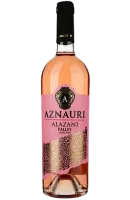
Aznauri Rkatsiteli
|
Rkatsiteli
|
Dry, white
|
13%
|
Odesa Region
|
|
Aznauri Saperavi
|
Saperavi
|
Dry, red
|
14%
|
Odesa Region
|
|
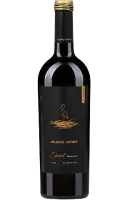
Leleka Wines Cabernet Sauvignon
|
Cabernet Sauvignon
|
Dry, red
|
13%
|
Odesa Region
|
|
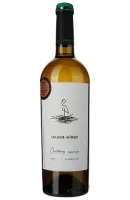
Leleka Wines Chardonnay Reserve
|
Chardonnay
|
Dry, white
|
13%
|
Odesa Region
|
|
Leleka Wines Holubok
|
Holubok
|
Dry, red
|
12.9%
|
Odesa Region
|
These examples show that even within a single region, the flavor spectrum ranges from light white wines to full-bodied, aged red wines.
How to choose ukrainian wine
Before buying Ukrainian wine, you should decide on the level of sweetness and the dish you plan to serve it with. For everyday dining, a dry Rkatsiteli or Cabernet Sauvignon is a good choice. Those who prefer a milder flavor should consider semi-sweet wine made from local or Georgian grape varieties.
“Indigenous varieties such as Saperavi or Golubka take longer to open up than international ones, so these wines should be served at the appropriate temperature and allowed to breathe in the glass for a few minutes before tasting,” the winemakers note.
The selection of Ukrainian wines at the Benket online store in Odesa includes both international and indigenous varieties. Compare prices and shipping costs, choose a producer that suits your taste, and order a bottle for delivery in Odesa and throughout Ukraine.
FAQ
Which major wine-producing regions of Ukraine—such as the Odesa region, Zakarpattia, and the Kyiv region—shape the modern map of Ukrainian winemaking?
The Odesa region is the main industrial center thanks to the warm coastal climate; Transcarpathia preserves the tradition of terraced viticulture in the mountains; and the Kyiv region is developing niche winemaking with cold-resistant varieties.
Which grape varieties, particularly Rkatsiteli and Saperavi, are the most popular in Ukraine, and how do they influence the character of local wines?
Rkatsiteli produces dry white wines with high acidity and notes of green apple, while Saperavi yields full-bodied red wines with high tannin content and a dark color. Both varieties originate from Georgia but have long been adapted to Ukrainian conditions.
What are the key characteristics of Ukrainian winemaking that set our wines apart from those of global producers?
Ukrainian winemaking combines international varieties such as Cabernet Sauvignon and Chardonnay with indigenous ones, such as Rkatsiteli and Golubok. The cooler climate preserves a distinct acidity in the wines, even in aged reds.
How do you choose a Ukrainian wine, taking into account its characteristics, region of origin, and your own culinary preferences?
Start by considering the wine’s sweetness level and the dish you plan to serve it with: dry varieties like Rkatsiteli pair well with light dishes, while fuller-bodied reds, such as Saperavi or Cabernet Sauvignon, pair best with meat dishes.