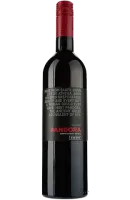
Greek winemaking boasts a history of about 6,500 years—one of the longest wine traditions in Europe. Over 300 grape varieties are grown on the mainland and the islands, making the selection of Greek wines one of the most diverse in the world. The volcanic soils of Santorini and the slopes of the Peloponnese create such distinct conditions that wines from neighboring regions differ in structure.
The history of winemaking in Greece
The earliest references to viticulture date back to the Minoan civilization, and Ottoman rule later stifled the industry: some vineyards were then used for raisins instead of winemaking. A revival began in the 20th century, when producers returned to indigenous grape varieties and modern equipment.
Greece’s major wine-producing Regions
The mountainous terrain and numerous islands create dozens of microclimates, giving each region a distinctive wine flavor.
Peloponnese
The country’s largest wine-producing peninsula combines plains with mountain slopes reaching up to 600 meters. The climate of the Nemea highlands helps the grapes ripen slowly, preserving pronounced acidity, while the coastal areas produce wines with a fuller body.
Santorini
This volcanic island in the Aegean Sea offers a unique terroir: ash and pumice replace the usual soil, and the vines are trained into low, spiral baskets that protect the clusters from the wind. The roots reach deep into the ground in search of moisture, giving the grapes a concentrated, mineral character.
Popular greek grape varieties
Among the dozens of local and international varieties, two stand out as best representing the character of Greek winemaking.
Assyrtiko
This white variety from Santorini produces wines with high acidity, citrus notes, and the salty minerality of volcanic soil; it ages well over time.
Agiorgitiko
A red variety common in Nemea, it offers soft tannins and ripe berry notes—cherry, plum, and sometimes hints of spices. It is used to produce both young wines and aged blends aged in oak barrels.
Also worth noting are Moschofilero—a variety with floral notes, often used to make rosé wine—and Xinomavro—a red variety from Northern Greece, whose tannin structure is compared to that of Nebbiolo.
Features of greek wine production
Greek wineries combine traditional techniques with modern equipment: some estates still use clay amphorae for fermentation, while others have switched to temperature-controlled fermentation. Stony soils limit vine yields, so the grapes concentrate more sugar and aromatic compounds.
Types of greek wine and their characteristics
|
Wine Type
|
Color
|
Sweetness
|
Alcohol Content
|
|
Assyrtiko Santorini
|
White
|
Dry
|
13–14%
|
|
Nemea (Agiorgitiko)
|
Red
|
Dry
|
12.5–14%
|
|
Moschofilero
|
Rosé
|
Dry
|
11.5–12.5%
|
|
Vinsanto
|
White
|
Sweet
|
9–14%
|
The table above summarizes the key characteristics of common Greek wine varieties.
How to choose greek wine for different dishes
Before buying Greek wine, it’s a good idea to decide on the dish and your preferred level of sweetness. Assyrtiko pairs well with seafood and light cheeses. Agiorgitiko goes well with grilled meats and hard cheeses. Those who prefer a milder flavor should consider semi-sweet wine made from Moschofilero.
Before choosing a bottle, keep a few things in mind:
- determine your preferred sugar content—dry wine or a semi-sweet option;
- pay attention to the producer and region of origin;
- serve at the correct temperature—chilled for white and rosé wines, at room temperature for reds;
- Ensure proper storage conditions for the bottle until tasting.
The selection of Greek wines at the Benket online store in Odesa includes indigenous varieties from the mainland and islands, as well as aged blends from trusted producers. Compare prices, choose a wine to your taste, and order Greek wine with delivery in Odesa and throughout Ukraine today.
FAQ
What is the history of winemaking in Greece, and which key wine-producing regions are considered the most significant?
Greek winemaking dates back to the Minoan civilization and experienced a decline during Ottoman rule. The Peloponnese remains the largest region on the mainland, while volcanic Santorini is a unique terroir.
Which grape varieties are the most popular in Greece, and what production characteristics are worth knowing?
Among white varieties, Assyrtiko from Santorini stands out; among reds, Agiorgitiko from Nemea. A distinctive feature of production is the combination of fermentation in temperature-controlled amphorae.
How can you distinguish the main types of Greek wine by color, sweetness level, and alcohol content?
Most Greek wines are dry with an alcohol content ranging from 11 to 14 percent, although there are also dessert wines such as Vinsanto.
How do you choose a Greek wine to pair with different dishes?
Mineral-driven white wines pair well with seafood, while full-bodied reds really shine alongside meat dishes.