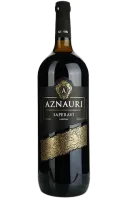
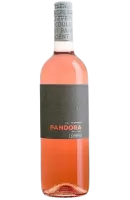
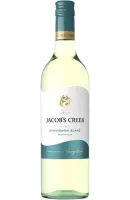
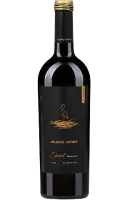
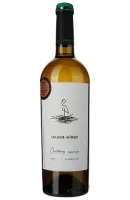
Dry wine is prized for its character, which doesn’t mask the grape variety behind sweet notes—here, everything is distinct: acidity, tannins, and minerality. The residual sugar content in such a wine does not exceed four grams per liter, so the flavor comes across as bold and structured. This style is chosen by those who seek not sweet indulgence in their glass, but the distinct character of a specific grape variety. Let’s explore the different types of dry wines, the criteria for selecting a good bottle, and which dishes to pair them with.
What Is dry wine?
Dry wine is produced through the nearly complete fermentation of the sugar contained in grape juice: the yeast converts virtually all the sugar into alcohol, leaving minimal sweetness in the finished wine. This is why the taste is tart, with pronounced acidity and a residual sugar level of up to four grams per liter—this level of sweetness is barely perceptible on the tongue. Instead, the varietal characteristics come to the fore: minerality, berry or herbal notes, and tannin density. Compared to semi-dry or sweeter wines, the dry variety better reflects the terroir—the area where the grapes were grown—and the climate of a specific season.
Types of dry wines by color
The color of the wine depends on the grape variety and production methods, so each type of dry wine has its own flavor profile and unique character that unfolds in the glass.
Dry white wines
Dry white wines are made without allowing the must to come into contact with the grape skins, which helps the wine retain its light color and distinct freshness. Dry white wines are most often made from Sauvignon Blanc, Riesling, or Chardonnay—these varieties offer notes of citrus, green apple, or flinty minerality, depending on the growing region. The wine is best served chilled and pairs well with light dishes.
Dry red wines
Red wines are produced through prolonged contact of the juice with the grape skins and seeds, which give them their rich color and tannins. Red wine made from Cabernet Sauvignon, Merlot, or Saperavi has a full body with pronounced astringency, which softens during aging in oak barrels. These wines are usually served slightly warmer than white wines to allow the tannins to fully develop.
Dry rosé wines
Rosé wine is produced through brief contact between the juice and the skins of red grape varieties—just a few hours instead of the weeks required for red wine. Dry rosé wine retains the lightness of a white wine while adding berry notes and fresh acidity, making it perfect for the warmer months and light meals.
Criteria for choosing a high-quality dry wine
Several practical guidelines can help you choose a good bottle; it’s worth paying attention to them before making a purchase:
- grape variety and growing region — these determine the wine’s primary flavor profile;
- the sweetness level listed on the label — confirms that this is indeed a dry wine;
- the vintage year and aging period — influence the richness and depth of flavor;
- the producer’s reputation — guarantees consistent quality from batch to batch.
Once the main guidelines have been established, all that remains is to choose a specific brand and serve the wine at the correct temperature with dishes that will help bring out its flavor.
Pairing dry wine with food
The gastronomic pairing of dry wines with dishes is simple: the more pronounced the acidity and tannins, the better the wine will pair with fatty or rich dishes. Dry white wines reveal their best qualities when paired with fish and seafood, while reds pair well with red meat and aged cheeses. Dry rosé wines remain a versatile option for light appetizers and outdoor gatherings.
Recommended pairings of dry wines with various dishes
|
Wine Type
|
Recommended dishes
|
|
Dry white
|
Fish, seafood, light vegetable salads
|
|
Dry red
|
Red meat, game, aged hard cheeses
|
|
Dry rosé
|
Appetizers with cold cuts, pizza, vegetable dishes
|
This breakdown helps you quickly decide which bottle to open for a specific menu without wasting time on lengthy searches.
Tips for storing dry wine
It’s best to store a bottle of dry wine horizontally: this keeps the cork in constant contact with the wine, preventing it from drying out and letting air in prematurely. The optimal storage temperature ranges from +10 to +14 °C, away from direct sunlight and heat sources. When serving, white and rosé dry wines should be chilled to +8...+10 °C, while reds should be served slightly warmer—around +16...+18 °C—to allow the tannins to fully develop.
Dry wines rarely need to breathe in the glass for a long time—unlike full-bodied, aged blends, their character unfolds literally within a few minutes after uncorking, — sommeliers note.
Once opened, a bottle should be stored in the refrigerator with the cork in place for no longer than two to three days; otherwise, the acidity will begin to dominate the rest of the flavor.
The selection of dry wines at the Benket online store in Odesa includes white, red, and rosé wines from producers in various countries. You can compare prices, find out the shipping cost, and order a bottle for delivery in Odesa and throughout Ukraine today.
FAQ
What is dry wine, and what are its main types based on color?
Dry wine is a beverage in which the sugar has been almost completely fermented into alcohol, so the residual sugar does not exceed four grams per liter. By color, these wines are divided into white, red, and rosé—each type offers its own balance of acidity and tannins.
What criteria should you consider when choosing a high-quality dry wine?
The most important thing is to pay attention to the grape variety, growing region, and vintage, as these factors determine the depth of flavor. It’s also worth checking the producer’s reputation, as it affects the consistency of quality from batch to batch.
What are the basic rules for pairing dry wines with different dishes to achieve the best gastronomic experience?
Dry white wines pair best with fish and seafood, red wines with red meat and aged cheeses, and rosé wines with light appetizers. The main principle is to match the body of the wine with the richness of the dish.
How should you store dry wine so it doesn’t lose its flavor over time?
The bottle should be stored horizontally at a temperature of +10...+14 °C, away from direct sunlight. A wine cabinet is best suited for this purpose. Once uncorked, the wine is best consumed within two to three days, keeping it in the refrigerator with the cork back in place.