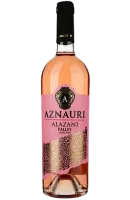
Some people reach for a glass of wine for its tart, restrained character, while others want to experience its true, sweet luxury. Semi-sweet wine offers a balance: its light sweetness is counterbalanced by natural acidity and the character of the grape variety, resulting in a harmonious flavor rather than a cloying one. The residual sugar content in this type of wine is significantly higher than in dry or semi-dry wines—18–45 grams per liter—which is why it tastes noticeably sweeter, and the varietal’s fruity character comes to the forefront. Traditionally, this style is associated with the Georgian school of winemaking, although today it is common in many countries.
Types of semi-sweet wines by color
Color determines not only the drink’s appearance but also which aromatic notes will dominate the flavor. Depending on the grape variety and production method, semi-sweet wines are divided into the following types:
- Red — the most famous examples come from Georgia: Kindzmarauli is made from the Saperavi grape variety in Kakheti, and Khvanchkara is made from Alexandrouli and Mujuretuli in the mountainous region of Racha. In both cases, fermentation is halted by naturally cooling the must, so sugar is added without using concentrate.
- White — the primary grape variety here is Muscat, which retains pronounced floral and grape notes even after fermentation has stopped. The wine is lighter than red wine and is best enjoyed chilled.
- Rosé — is made by briefly allowing the juice to come into contact with the skins of red grape varieties, so it combines the lightness of white wine with the berry notes of red wine, and its soft sweetness makes it versatile when paired with food.
The difference in color reflects differences in the character of the tannins and fruit notes, so the choice is more a matter of personal taste than of what is “correct.”
Features of semi-sweet wine production
There are two main approaches to producing semi-sweet wine. The first is the traditional Georgian method: fermentation is halted by rapidly cooling the must to a temperature at which the yeast stops working, leaving the grapes’ natural sugar in the wine. The second, more common in industrial production, involves blending ready-made dry wine with grape must or concentrate to achieve the desired level of sweetness.
Both methods require precise control: insufficient cooling or an incorrect blending ratio can make the taste cloyingly sweet or, conversely, unbalanced. Therefore, producers of semi-sweet wines carefully monitor the sugar level at every stage.
The serving temperature of semi-sweet wine also affects how the flavor is perceived: wine that is too warm seems cloyingly sweet, while wine that is too cold masks the aroma. White and rosé wines are served chilled to 8–10 °C, while reds are served slightly warmer, around 14–16 °C. Storing the bottle horizontally and away from direct light helps preserve the freshness of the fruit profile for longer.
What to pair with semi-sweet wine
Moderate sweetness pairs well with dishes that have their own heat, spice, or richness—the sugar in the wine balances these flavors. Spicy Asian dishes, duck with fruit sauce, or a cheese platter featuring blue cheeses—all of these reveal a surprising side to semi-sweet wine. For desserts, choose wines with a similar or slightly higher level of sweetness so the wine doesn’t taste sour against the sugar in the dish.
Recommended pairings of semi-sweet wines with food
|
Wine Type
|
Recommended dishes
|
|
Semi-sweet red
|
Duck, red meat dishes in fruit sauce, aged cheeses
|
|
Semi-sweet white wine
|
Spicy Asian dishes, fruit, light desserts
|
|
Semi-sweet rosé
|
Appetizers with cold cuts, pizza, light salads
|
The selection of semi-sweet wines in the Benket online store from Odessa includes brands from Ukraine and other countries—check out the catalog. Compare prices and shipping costs, choose a brand based on your taste, and order wine for delivery in Odessa and throughout Ukraine.
FAQ
What is semi-sweet wine, and what color categories does it fall into?
Semi-sweet wine contains 18–45 grams of residual sugar per liter, making it noticeably sweeter than dry or semi-dry wine. It is classified by color into red, white, and rosé—each type is distinguished by its own balance of sweetness and tannins.
What are the main characteristics of the production process for semi-sweet wines?
The traditional Georgian method stops fermentation by rapidly cooling the must, preserving the grapes’ natural sugar. The industrial approach involves blending dry wine with grape must or concentrate to achieve the desired level of sweetness.
What food pairings work best with different types of semi-sweet wines?
Semi-sweet red wine pairs well with duck and dishes in fruit sauce; white semi-sweet wine pairs well with spicy Asian dishes and light desserts; and rosé semi-sweet wine pairs well with cold cuts and pizza.
How do you choose a semi-sweet wine, and what nuances should you pay attention to when serving it?
You should base your choice on the dish you plan to serve the wine with and your own tolerance for sweetness. White and rosé wines are best served chilled, while reds should be served slightly warmer so as not to overwhelm their fruity character.