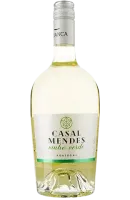
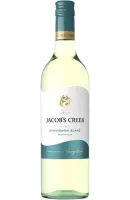
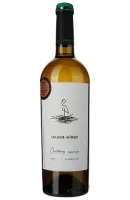
White wine is one of the most versatile categories of wine: it’s equally suitable as a light aperitif and as a full-fledged pairing for a dinner of fish or poultry. Unlike red wine, it contains almost no tannins, but offers room for dozens of aromatic nuances—from chalky freshness to tropical juiciness. Next, we’ll look at grape varieties, sweetness levels, and how to choose a bottle to suit your taste.
What Is white wine?
White wine is made from grape juice without prolonged contact with the grape skins—which is why the wine has almost no color or tannins, even if the grapes themselves have dark skins, such as Pinot Noir in some regions of Champagne. This approach preserves the wine’s fresh acidity and allows the varietal aromas to unfold without any astringency, which is why white wine is usually enjoyed young, before it loses its initial freshness.
Major white wine varieties
There are hundreds of white grape varieties in the world, but five are most commonly found on store shelves:
- Chardonnay is the most widespread variety in the world: depending on the winemaking technique, it can produce both light, mineral-driven wines and full-bodied ones with vanilla notes from oak aging;
- Sauvignon Blanc is distinguished by its herbaceous freshness and citrus acidity, so it rarely requires barrel aging to reveal its character;
- Riesling retains pronounced acidity even in sweeter styles, which is why it is used to make wines ranging from completely dry to dessert wines;
- Pinot Gris produces light, neutral wines with minimal aromatics—which is why it’s often chosen as a versatile aperitif option.
- Gewürztraminer stands out for having the most vibrant aromatics of all: notes of rose, lychee, and spices are detectable even in the dry versions of the variety.
Each of these varieties reacts to the climate in its own way: the same Riesling from the Mosel and from Australia can taste almost like two different wines.
Types of white wine by sweetness level
The sweetness level of white wine depends on how much sugar remains unfermented after fermentation stops. Dry white wine contains minimal residual sugar and best conveys the pure character of the variety. Semi-dry wines are slightly softer on the palate while retaining noticeable acidity. In semi-sweet wines, the sweetness is already noticeable, accompanied by a more pronounced fruit profile. Sweet white wines, which include dessert styles such as late-harvest or botrytized wines, are intended to be served on their own or with dessert.
How to choose a white wine based on the dishes you plan to pair it with
Before choosing a specific bottle, it’s best to start with the dish you plan to serve—this makes it easier to avoid a situation where the wine and food compete with each other instead of complementing one another.
- Seafood and fish are best paired with dry, acidic white wines—Sauvignon Blanc or Pinot Grigio won’t overpower their delicate flavors.
- Light salads and appetizers pair well with young, fresh wines that haven’t been aged in oak.
- White meat and poultry are complemented by slightly fuller-bodied wines, such as aged Chardonnay.
- Soft cheeses pair well with aromatic varieties like Gewürztraminer, where the floral notes do not overpower the creaminess of the cheese.
For dishes traditionally served with red wine—such as steaks or aged hard cheeses—it’s best to choose a full-bodied red: the contrast between the richness of the dish and the lightness of white wine rarely enhances the flavor. If you’re torn between white and rosé for a summer gathering, go by the richness of the dish: the lighter the food, the less body the wine needs.
Storage and serving temperature
White wine should be stored at a temperature of 10–14 °C, in a horizontal position, and away from direct light—this keeps the cork moist and prevents the wine from oxidizing prematurely. Light and fresh wines are best served chilled to 7–9 °C, while fuller-bodied, oak-aged wines reveal their full character at a slightly higher temperature, around 10–12 °C. Wine that’s too cold masks the aroma, so don’t keep the bottle in the freezer for more than a few minutes before serving.
Key characteristics of popular white wine varieties
|
Variety
|
Aromatic Profile
|
Acidity Level
|
Recommended Pairings
|
|
Chardonnay
|
Apple, citrus, vanilla (from oak aging)
|
Medium
|
Poultry, creamy sauces, soft cheeses
|
|
Sauvignon Blanc
|
Herbal, gooseberry, citrus
|
High
|
Seafood, light salads
|
|
Riesling
|
Lime, peach, minerality
|
High
|
Spicy Asian cuisine, fish
|
|
Pino Grigio
|
Pear, almond, neutral aromas
|
Medium
|
Aperitif, light appetizers
|
|
Gewürztraminer
|
Rose, lychee, spices
|
Low to medium
|
Soft cheeses, Asian cuisine
|
The table shows that even within a single wine color category, the range includes both neutral styles and extremely aromatic ones. What’s more, these wines are available at affordable prices.
The selection of white wine at the Benket online store in Odesa includes dry and semi-sweet varieties from various producers. Compare prices, choose a brand to your liking, and order wine for delivery in Odesa and throughout Ukraine.
FAQ
What is white wine, and how is it classified based on sweetness level?
White wine is produced without prolonged contact between the juice and the grape skins, so it contains almost no tannins. Based on sweetness level, it is classified as dry, semi-dry, semi-sweet, and sweet, depending on how much sugar remains after fermentation stops.
What are the main varieties of white wine, and how do they differ in terms of their aromatic profile and acidity?
Among white wines, five varieties are most commonly used, and they are all different. Sauvignon Blanc and Riesling are the most acidic, with notes of citrus, herbs, and minerals. Chardonnay is softer, with medium acidity, and has hints of apple or vanilla if it’s barrel-aged. Pinot Grigio is light and neutral, with a hint of pear. Gewürztraminer has the lowest acidity but the most intense aroma—roses, lychee, and spices.
How do you properly pair white wine with different dishes, from seafood to soft cheeses?
Seafood and fish pair well with dry, acidic varieties like Sauvignon Blanc; light salads go well with young, unaged wines; and soft cheeses really come into their own when paired with an aromatic Gewürztraminer. A fuller-bodied, aged Chardonnay pairs better with poultry and creamy sauces.
What rules should you follow when storing and serving white wine to bring out its full flavor potential?
Bottles should be stored horizontally at a temperature of 10–14 °C, away from light. Light-bodied varieties should be served chilled to 7–9 °C, while fuller-bodied, oak-aged wines should be served slightly warmer, around 10–12 °C.